Benefits
Before the advent of digital era in diagnostic imaging, routine quality controls were carried out by human observers that evaluated image quality by counting visible details and measuring optical density.
The process was inevitably slow, affected by subjective criteria and variable over time, resulting in unreliable assessments with high costs.
With digital images, the process of analysis and evaluation can be automated, carrying along certain advantages:
-
Economy
the computer is much faster and costs less than any human
-
Efficiency
an analysis performed by the computer is more sensitive and accurate
-
Objectivity
the analysis is not influenced by human choices; AutoPIA is completely independent
-
reproducibility
the same image will be evaluated in the same way, regardless the competence or experience of the person performing the analysis
AutoPIA methods and algorithms are based on advanced knowledge of medical physics and computer science, and this provides:
-
incontestable results
the quality indices used by AutoPIA have a solid scientific basis and were validated using appropriate methods
-
Transparency
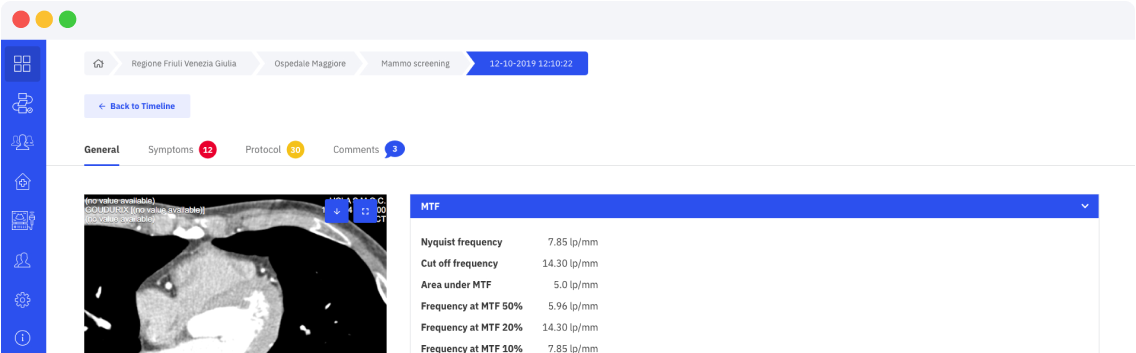
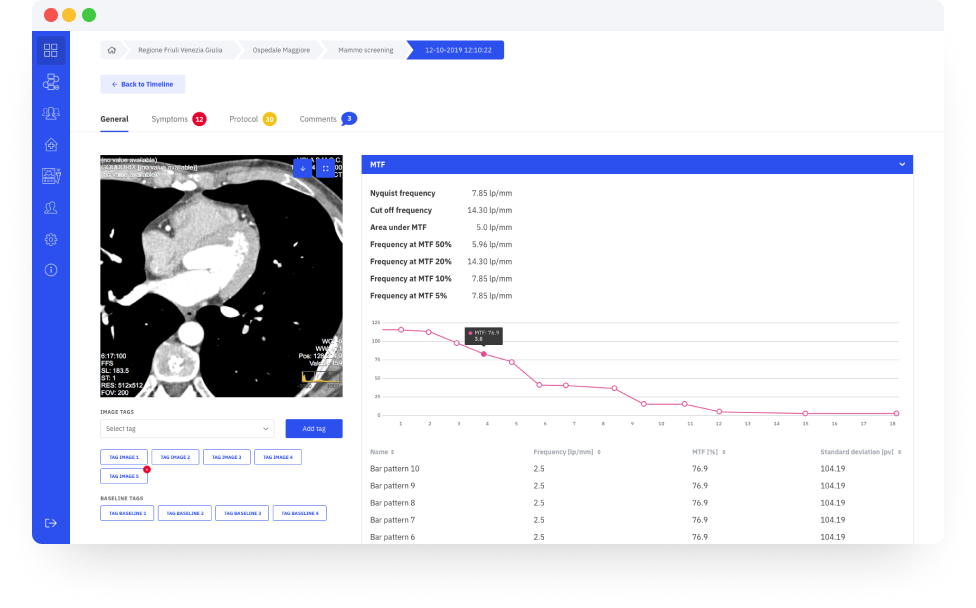
AutoPIA declares the algorithms used to calculate the quality indices and lets check for every image and every detail, what are the areas used by the algorithms
-
Ease
AutoPIA is very easy to use because it is completely automatic and conforms to the most common interfaces used for computer programs
-
Compatibility
AutoPIA calculates the indices used by the manual analysis of images, allowing easy integration with the processes of quality control currently implemented
-
Reporting
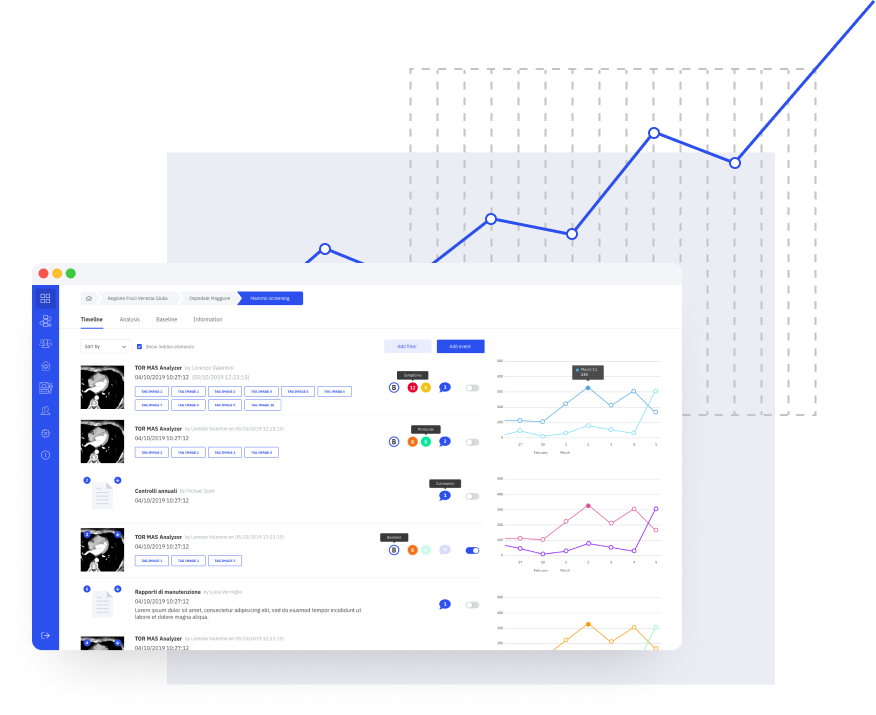
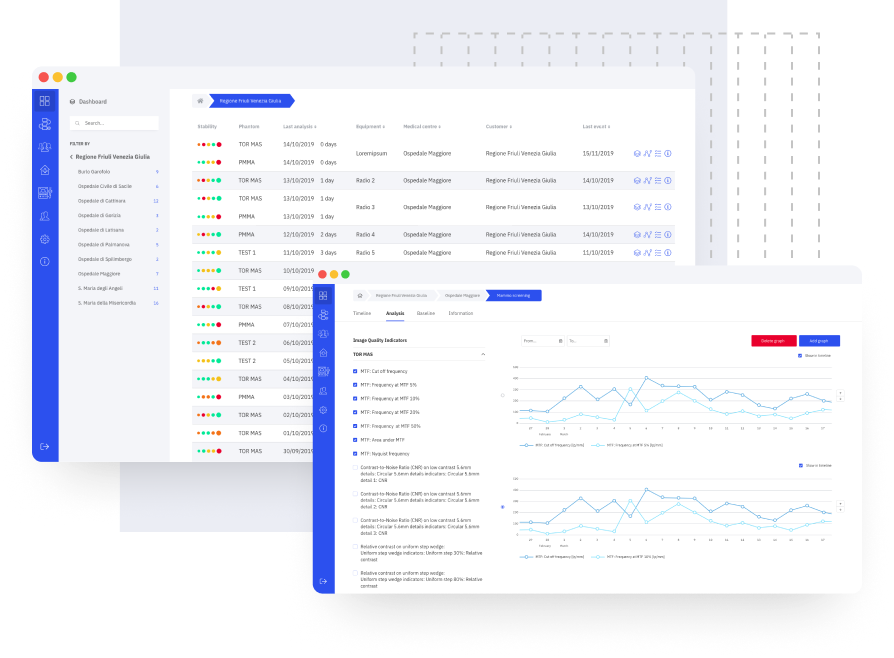
for each quality index, AutoPIA generates a control chart that highlights the trends, with the possibility of establishing benchmarks that generate alarms if exceeded
Supported Test Objects
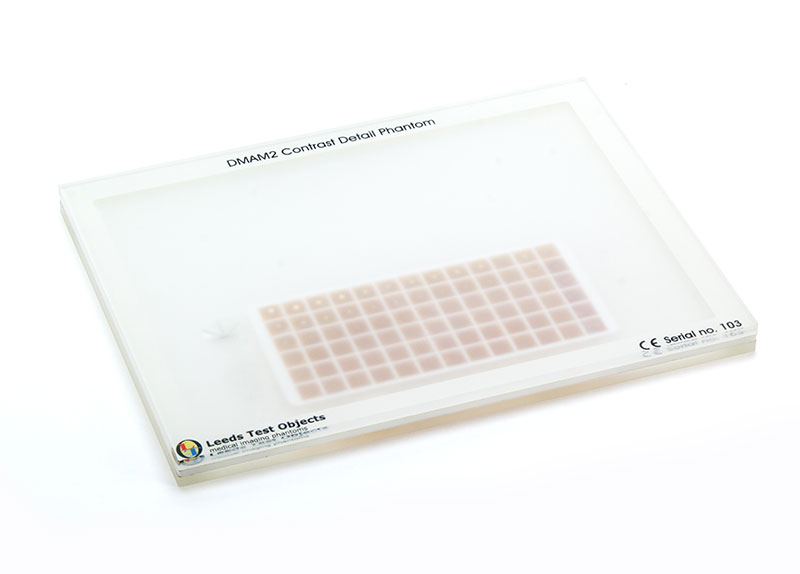
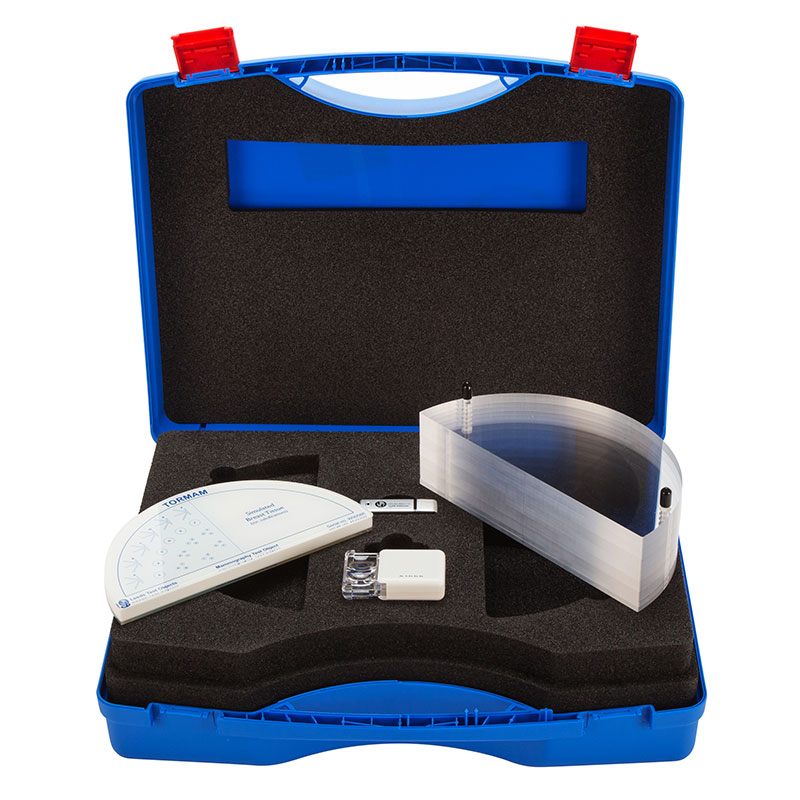
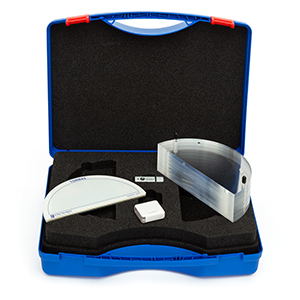
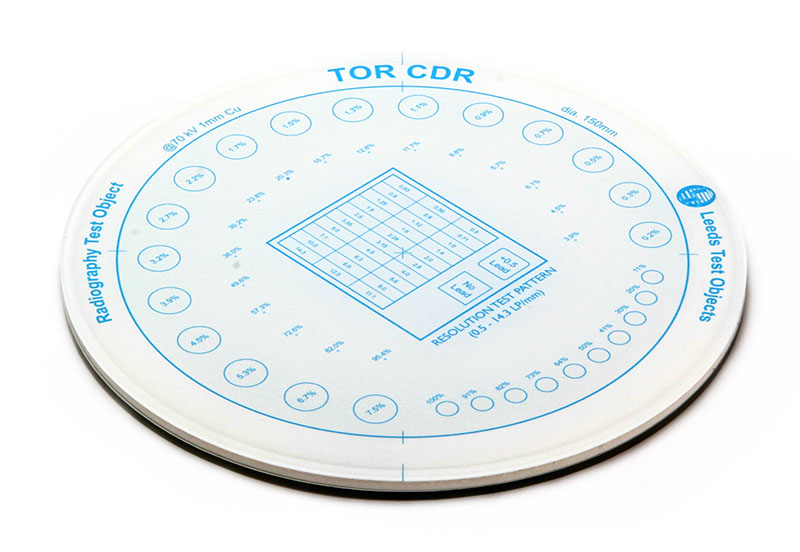
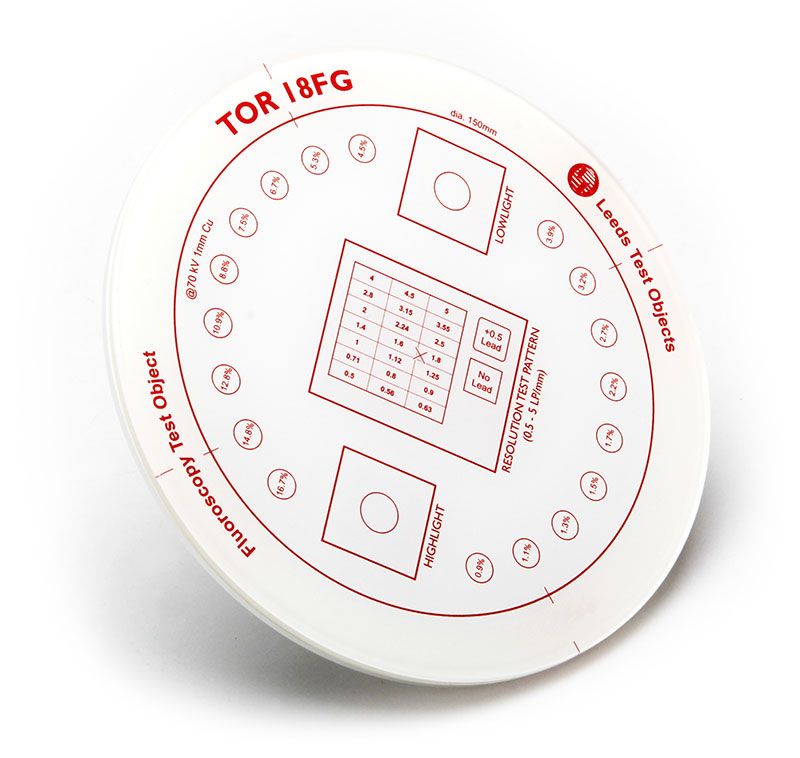
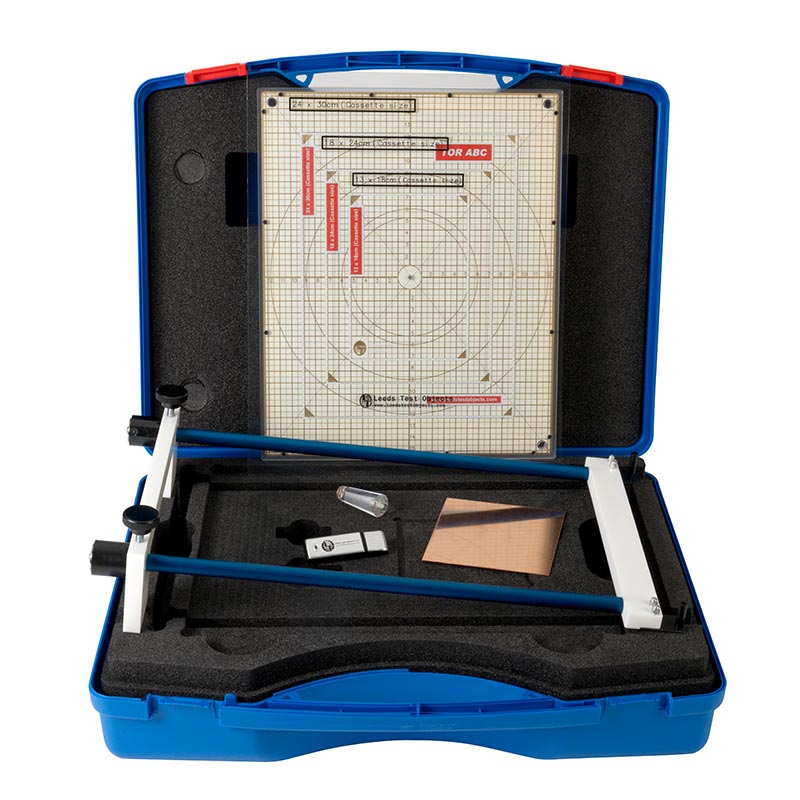
AutoPIA Desktop is currently able to recognize and analyze the following phantoms of Leeds Test Objects:
Download AutoPIA Desktop
Get the latest version of AutoPIA Desktop. Still not sure? Start your free trial and decide later.